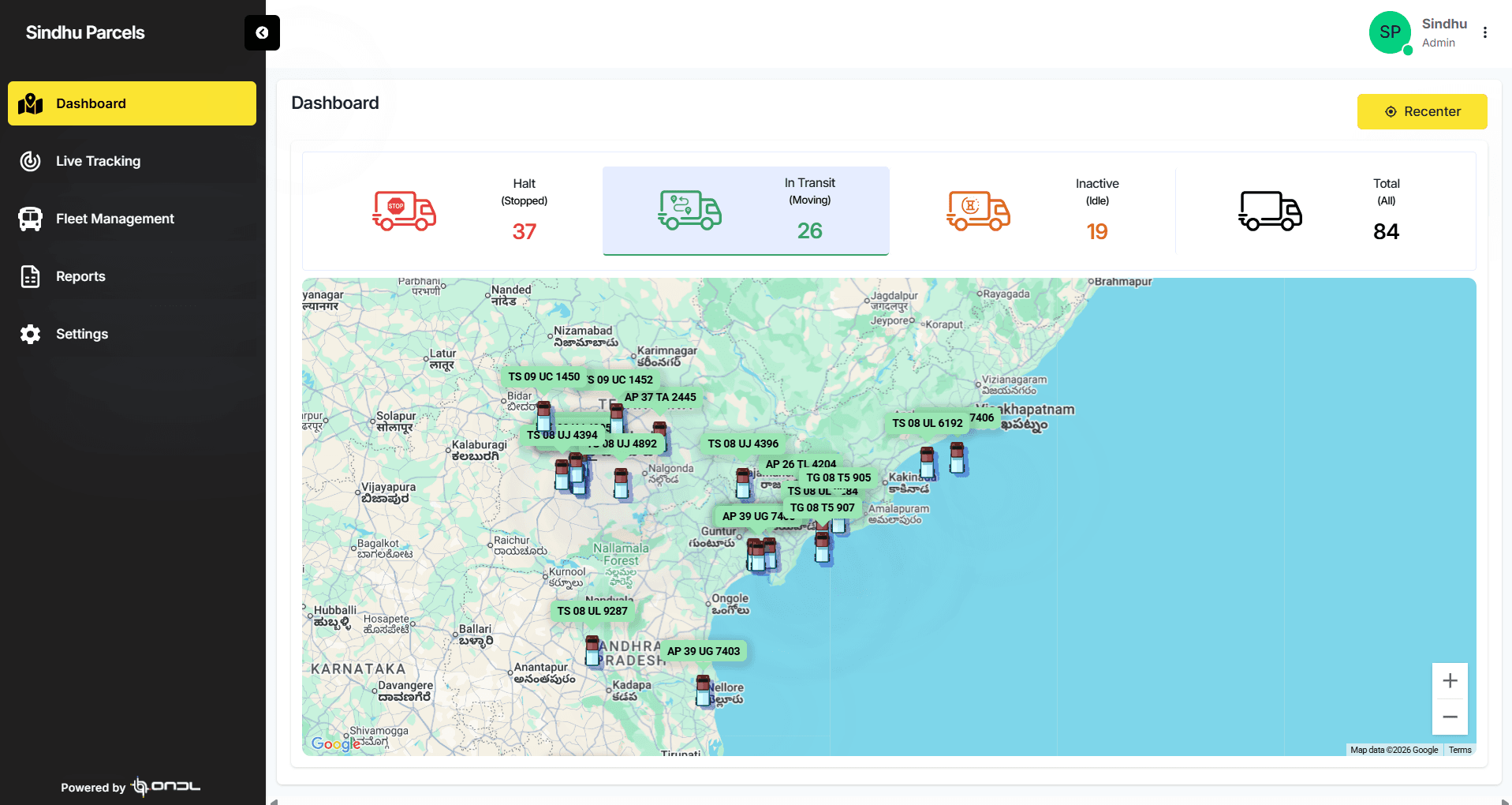
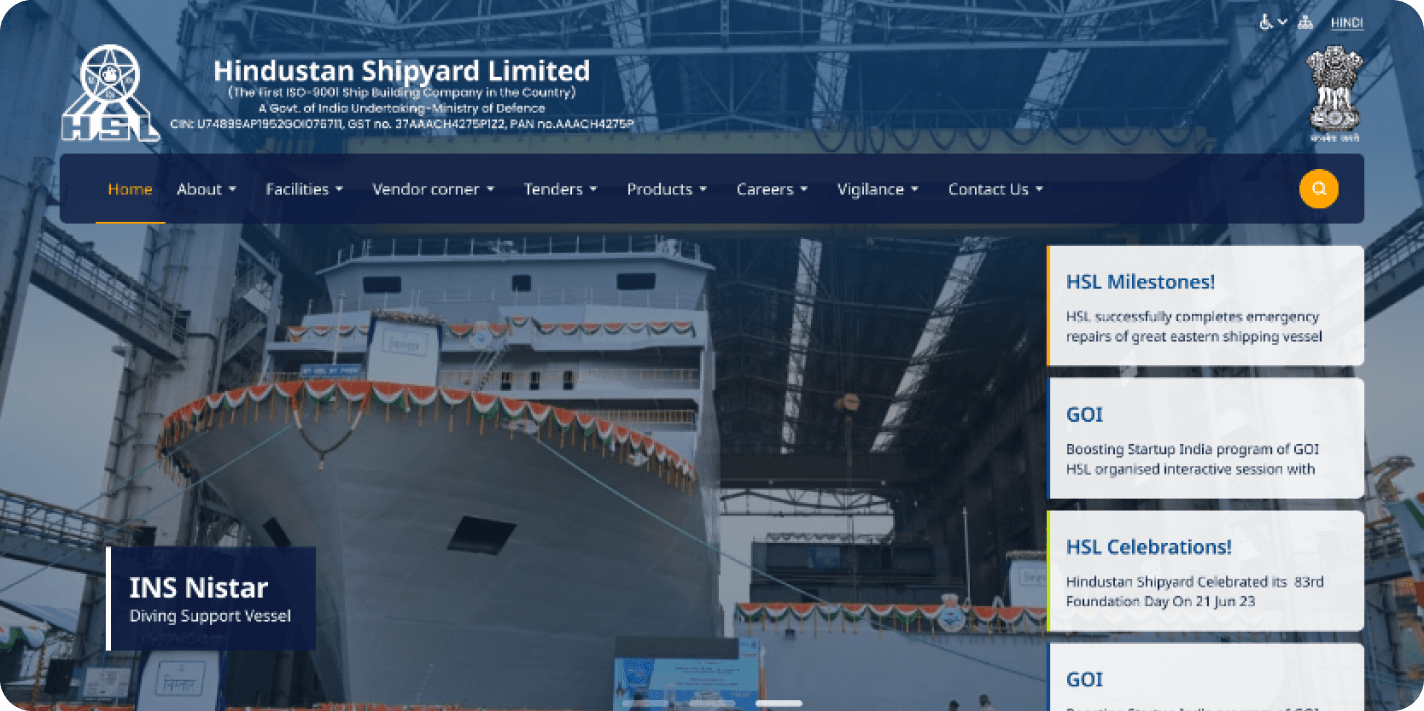
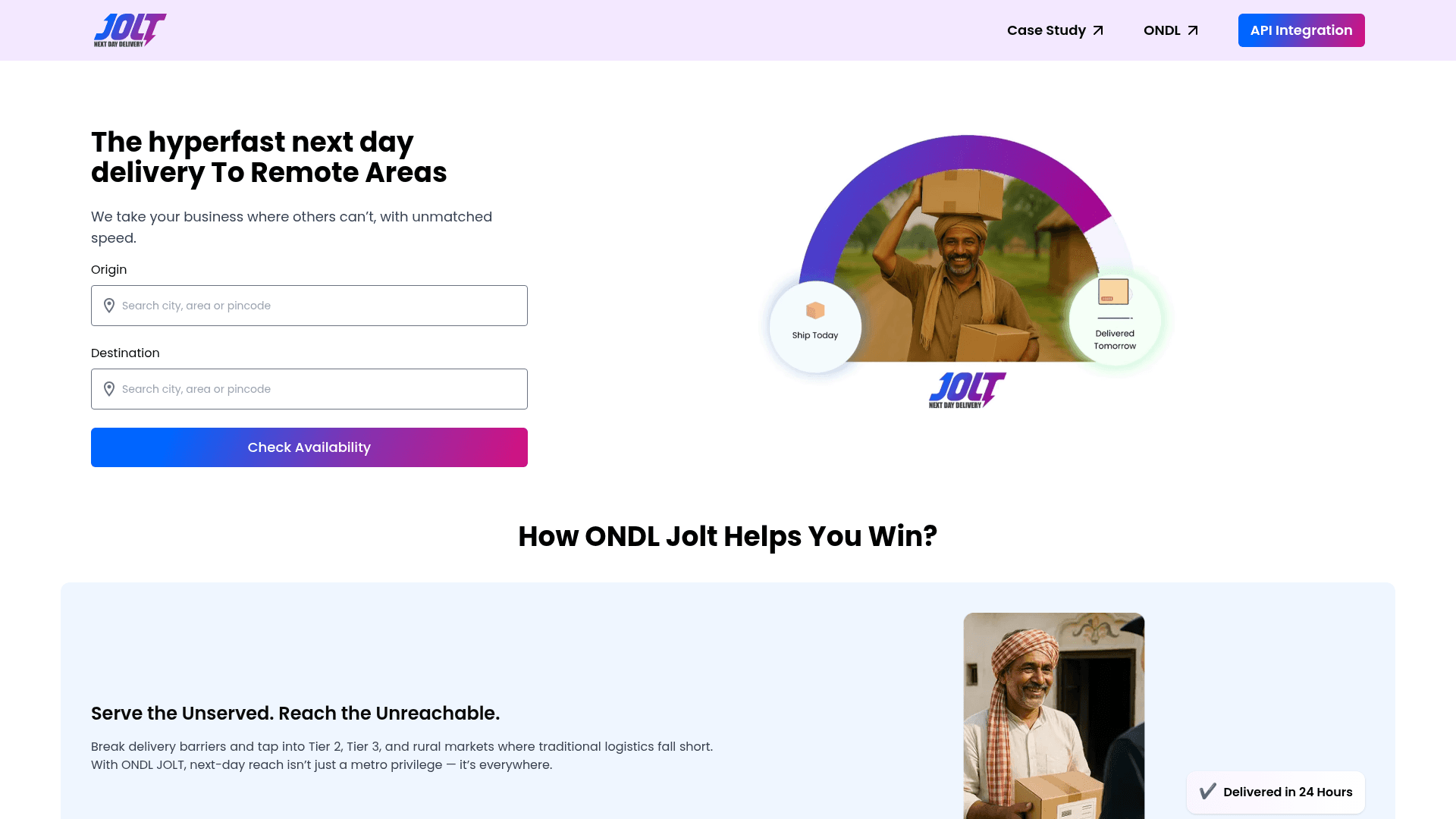
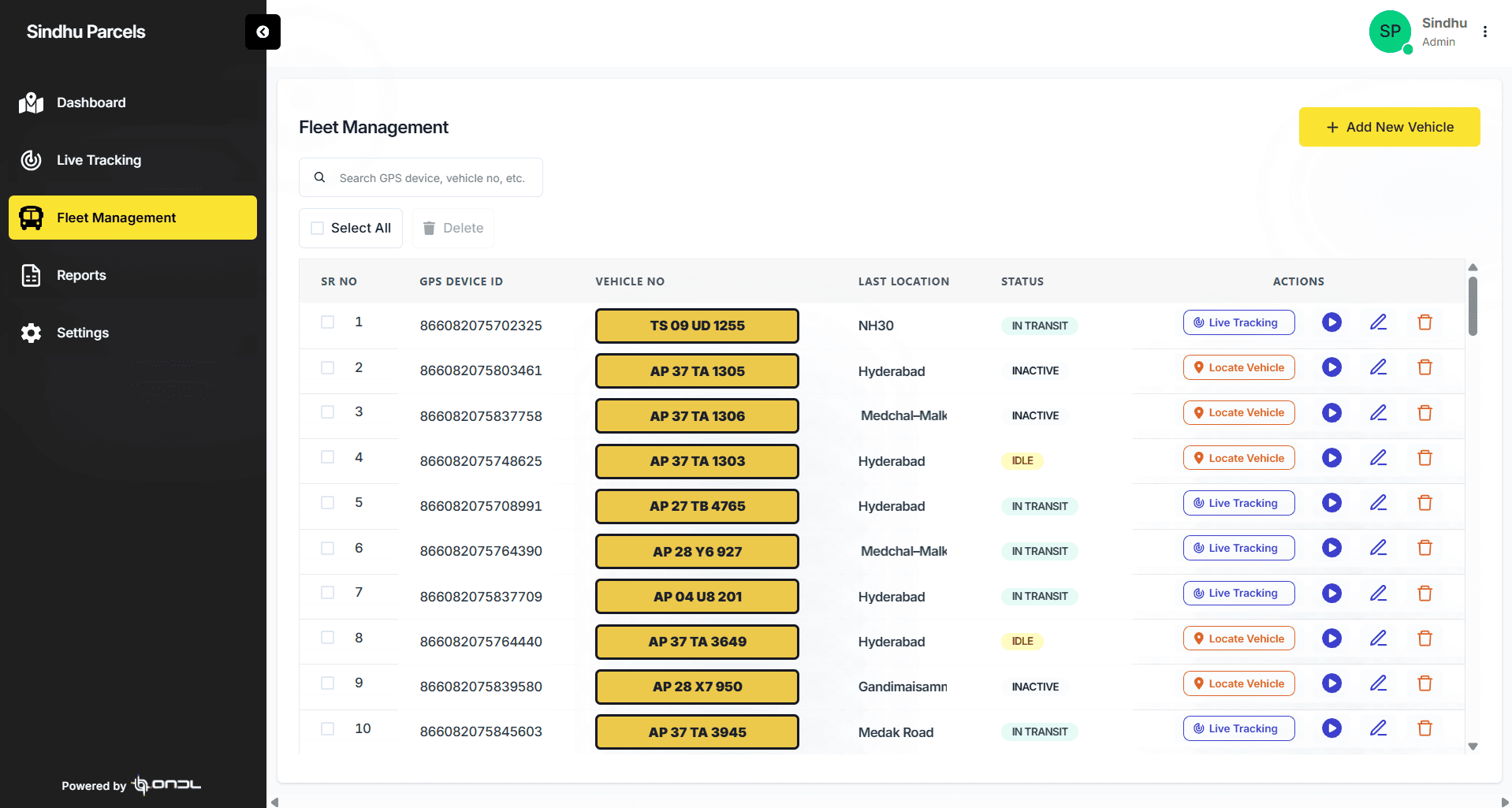
Demonstration interface — information architecture from the Kudra case study. Values shown are UI samples, not project results.
FIG. 03AI product
Intelligence is a loop, not a feature.
Intent, context, a decision, an action, an outcome — and the feedback that changes what happens the next time.
01
User intent
What someone is actually trying to get done
Stated request
·Implied goal
·Constraints
02
Context
What the product already knows before it thinks
User data
·Task context
·System state
03
AI system
Interprets, weighs the options, commits to one
Reasoning
·Decision
·Generation
DataRecords, history, state
ToolsRetrieval, scoring
InterfaceWhere it can act
Low confidenceAsk, don't guess
04
Action
What the product does with the decision
Interface
·Workflow
·Recommendation
GuardrailValidated before it is shown
05
Outcome
A result the user can interrogate, not just accept
Result
·Confidence
·Undo
06
Feedback
Accepted, corrected or abandoned — and the system keeps it
Accepted
·Corrected
·Refined
Returns to context
Conceptual stages — a product architecture, not a model one. The two branches are where the design work actually is: ask when confidence is low, and validate before anything reaches a screen.
FIG. 04Problem solving
Nothing arrives in order.
Nine inputs, none of them sequenced. Getting them into something buildable is most of the job.
Nine inputs, no order
User
Problem
Research
Business
Tech
Constraints
Data
AI
Workflow
Sorted into three
EvidenceWhat is actually true
User
Problem
Research
BoundaryWhat is not negotiable
Business
Tech
Constraints
MaterialWhat there is to build with
Data
AI
Workflow
Which becomes a structure
01
Insight
Interviews · Empathy map
02
Model
Problem statement · IA
03
Flow
Flows · Edge states
04
Design
Design system · Components
05
Product
Working prototype · Usability findings
The nine inputs are conceptual. The five stages are not — they are the five steps of the method this practice actually runs on, named for what comes out of each, and the artefact under every one is that step's own recorded output.
FIG. 05The design machine
A problem goes in. A product comes out.
The same five steps, drawn as the apparatus they actually make up — a problem in one end, a shipped product out of the other.
Input01
Discover
Talk to the people who will actually use it.
Interviews · Empathy map
Filter02
Define
Scope it — what is in, what is out, what success means.
Problem statement · IA
Form03
Design
Wireframes to hi-fi, on a system rather than one-off screens.
Flows · Design system
Construct04
Build
Wire the real thing up in React, not a static file.
Working prototype
Test05
Validate
Real usage decides what gets fixed next.
Usability findings
Output
Product
In front of the people it was built for, doing the job.
Kudra · fleet operations
The machine is the five steps of the method — Discover, Define, Design, Build, Validate — drawn as apparatus. Every description and artefact is that step's own; the screen at the delivery end is Kudra's fleet view from the case study.
03Track record
Data, then design, then AI products.
Four roles, one direction of travel — data, to design, to owning the product.
UX Designer
Onliest
May 2026 — Present
Visakhapatnam, India
Designed REX, an AI recommendation product — requirements through flows, interaction models and prototypes.
Designed the AI edge states: low-confidence, no-result, cold-start, loading, empty and error.
Built reusable Figma patterns across Marketplace, HR Admin and Revenue using Variables and Variants.
Product Owner & UX Designer
ONDL
Oct 2024 — May 2026
Visakhapatnam, India
Cut trip-creation effort 20% and manual operational effort 30% by consolidating the workflow.
Designed Kudra end to end — trip creation, driver assignment, vehicle allocation, fuel tracking.
Ran field research with drivers, dispatchers and fleet supervisors.
UX Designer
Sweya Infotech
May 2023 — Oct 2024
Visakhapatnam, India
Designed enterprise products from research and IA through to high-fidelity UI.
Ran interviews, usability testing and stakeholder workshops to find workflow breakage.
Created reusable components and design-system patterns for scalable interfaces.
SQL Developer
Oracle
Nov 2021 — Apr 2023
Hyderabad, India
Built enterprise data-integration and reporting solutions across APIs and business workflows.
Shipped internal reporting tools that widened access to business data.
04Contact
Let's talk.
Looking for a full-time Product Designer or UX Engineer role. The form is the fastest reply.